
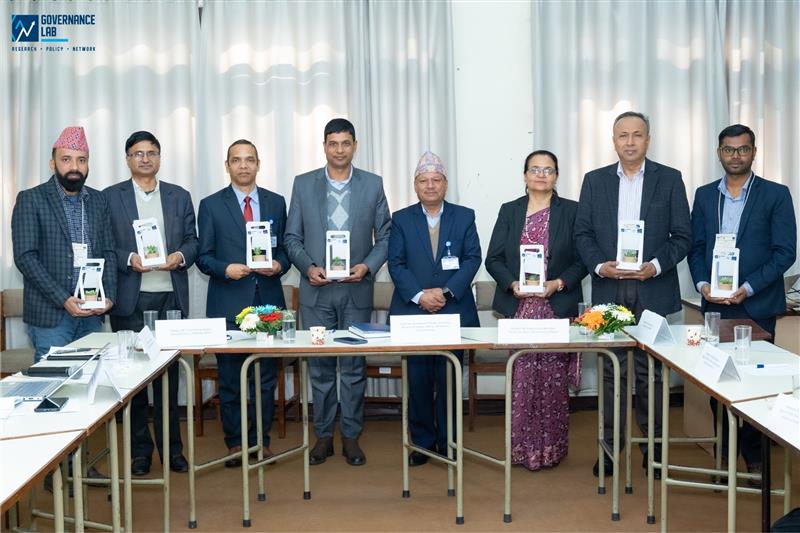
Nepal’s public service delivery challenges persist not because the state lacks capable public servants, but because public institutions operate within fragmented authority, timely un-updated legal frameworks, procedural rigidity, and leadership models that are insufficiently adaptive and citizen-centered. In practice, public services remain slow, complex, and uneven across locations, weakening trust in government and increasing the everyday transaction costs of citizenship.
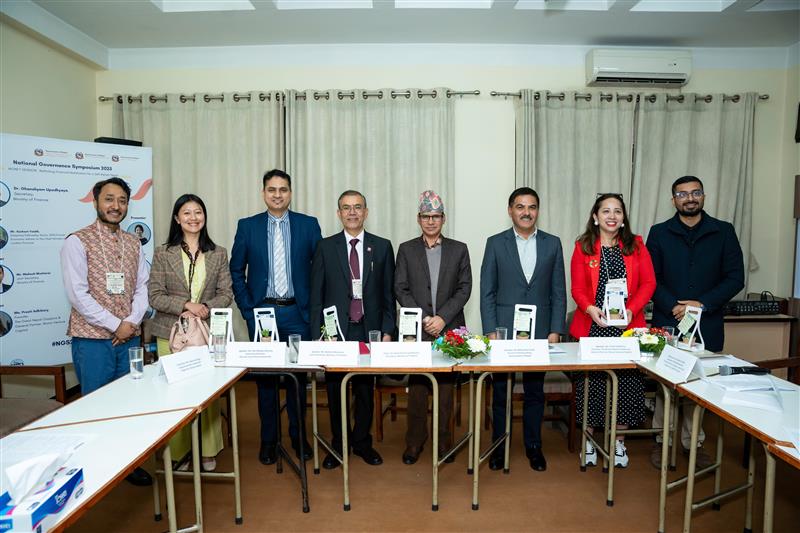
Nepal’s challenge in achieving self-reliant and inclusive economic growth is not the absence of capital, but the absence of trusted, structured, and investment-ready mechanisms that can effectively mobilize and deploy available financial resources. Despite sustained remittance inflows, growing entrepreneurial energy, and increasing interest from domestic and diaspora investors, capital remains fragmented, risk-averse, and weakly aligned with national development priorities.
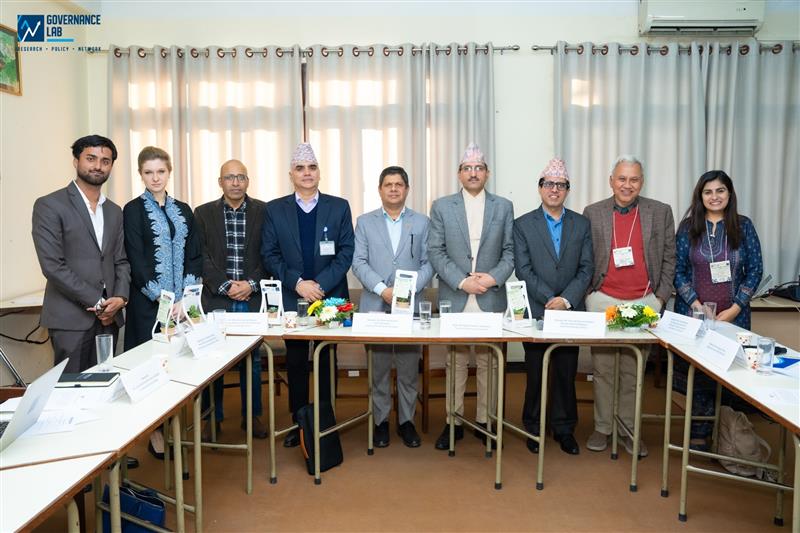
Nepal has made significant investments in generating statistical and administrative data across government institutions and tiers. However, these data assets are not yet systematically integrated, consistently accessible, or routinely used to inform policymaking and service delivery. Policy decisions often continue with limited reliance on evidence, while fragmented systems, weak interoperability, and unclear data-sharing arrangements prevent institutions from fully leveraging existing data.
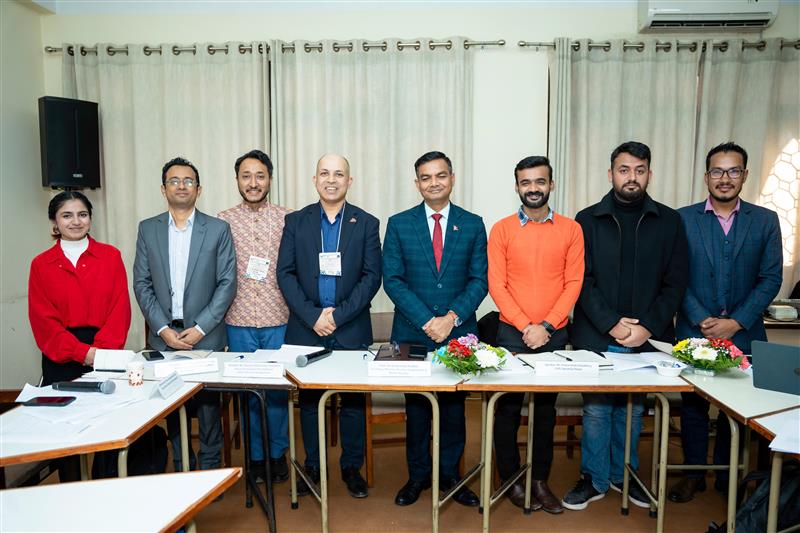
Nepal is at a critical juncture in its digital governance journey. Core digital systems for taxation, customs, labour migration, licensing, and citizen services are already in place, and initiatives such as the Nagarik App signal meaningful progress. However, discussions at the NGS 2025 Technology Policy Studio revealed that Nepal’s central challenge is no longer technological capability, but the governance of digital reform itself.
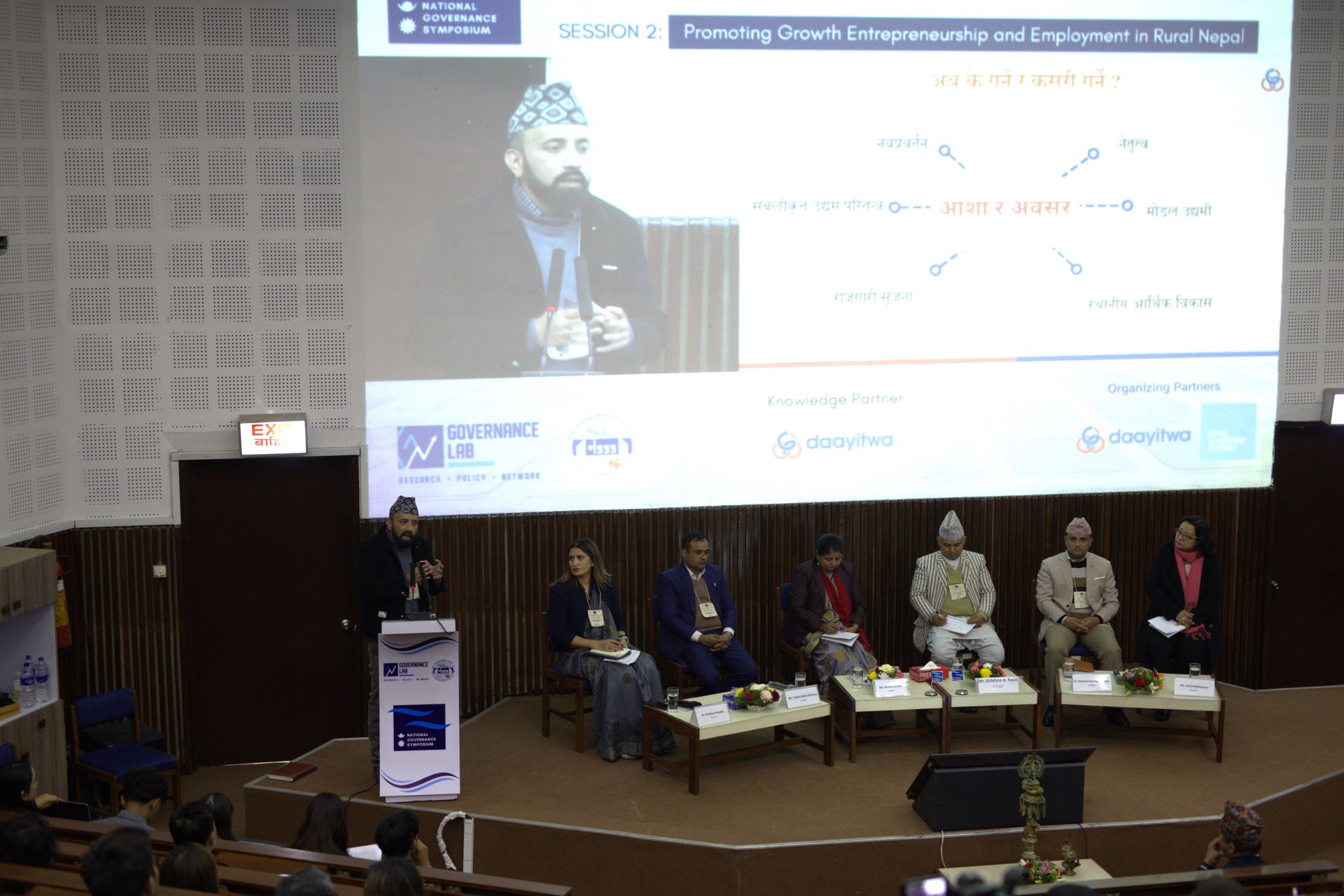
Nepal transitioned to a federal democratic republic in 2015, aiming to promote inclusion at all levels of governance- local, provincial, and federal. While the milestone transition to a federal system is an important step towards good governance and inclusive growth, there are still some significant challenges facing Nepal today.
Hundreds of thousands of youth are leaving annually, often for temporary employment abroad, leading to a drain of talent and labor force capacity. This significant out-migration points to structural issues within Nepal’s labor market- particularly lack of sufficient job opportunities, underscoring an urgent need for effective measures that foster inclusive, stable and sustainable employment.
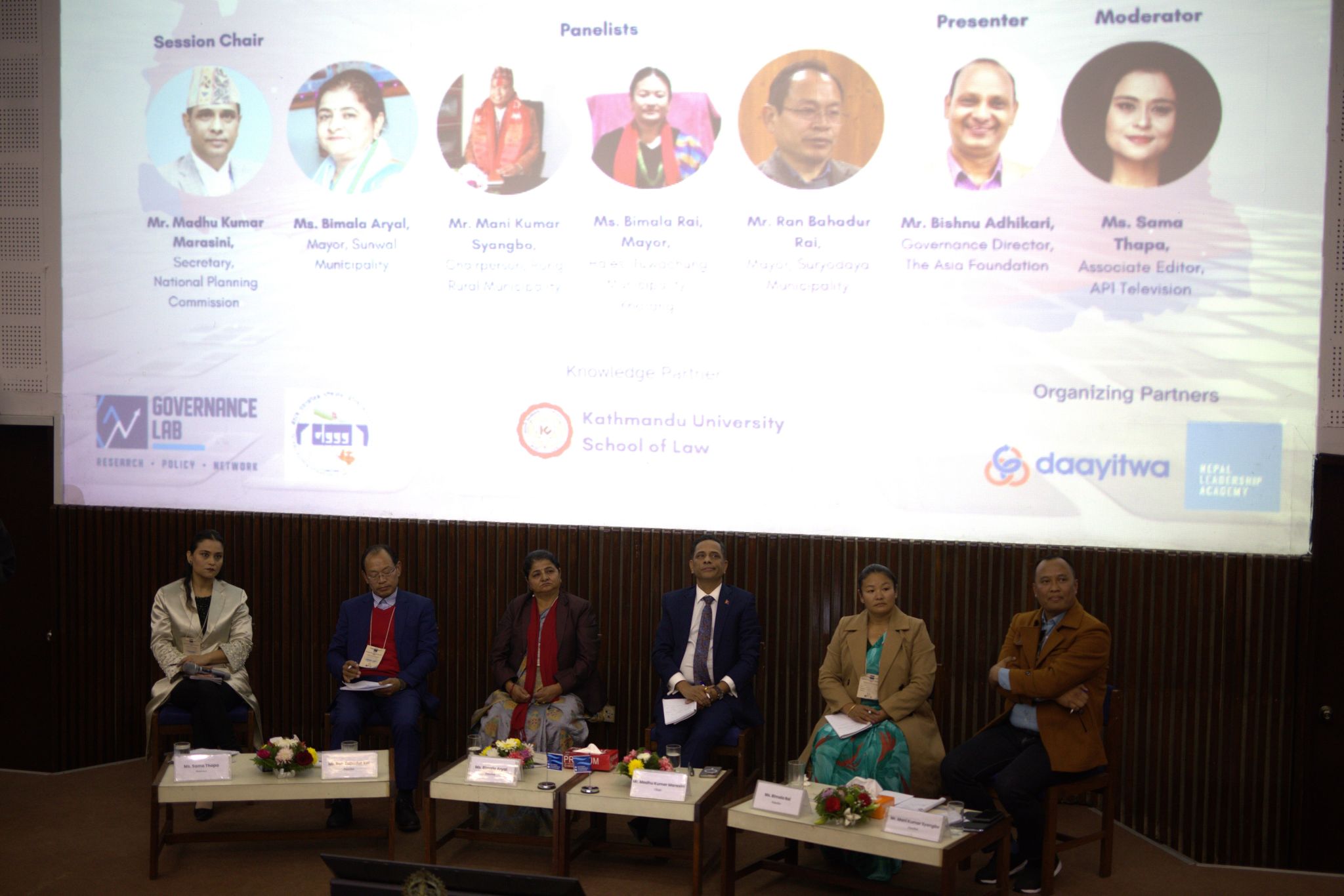
Nepal’s inclusive economic development depends on the effectiveness of its local governance system. Despite constitutional provisions granting municipalities authority over key sectors like health, education, and infrastructure, challenges such as intergovernmental coordination issues, resource
constraints, and policy conflicts persist. Weak financial independence, delayed fund transfers, and limited private sector engagement hinder economic growth, while citizen participation remains inadequate. Addressing these gaps requires empowering local governments through financial, administrative, and legal reforms, alongside structured collaboration among all governance levels.Strengthening participatory planning mechanisms and integrating Sustainable Development Goals (SDGs) into local strategies can help ensure equitable development and effective policy
implementation. To enhance efficiency and accountability, Nepal must focus on capacity building, youth engagement, and improved transparency. Initiatives like skill development programs and entrepreneurship platforms can leverage the potential of Nepal’s youth to drive economic progress. Strengthening governance mechanisms, such as digital platforms for financial oversight, public-private partnerships, and participatory decision-making models. These options can foster trust and streamline development efforts. Learning from successful case studies and scaling proven interventions will be critical in building a governance framework that ensures equitable growth, maximizes citizen participation, and supports long-term sustainability.
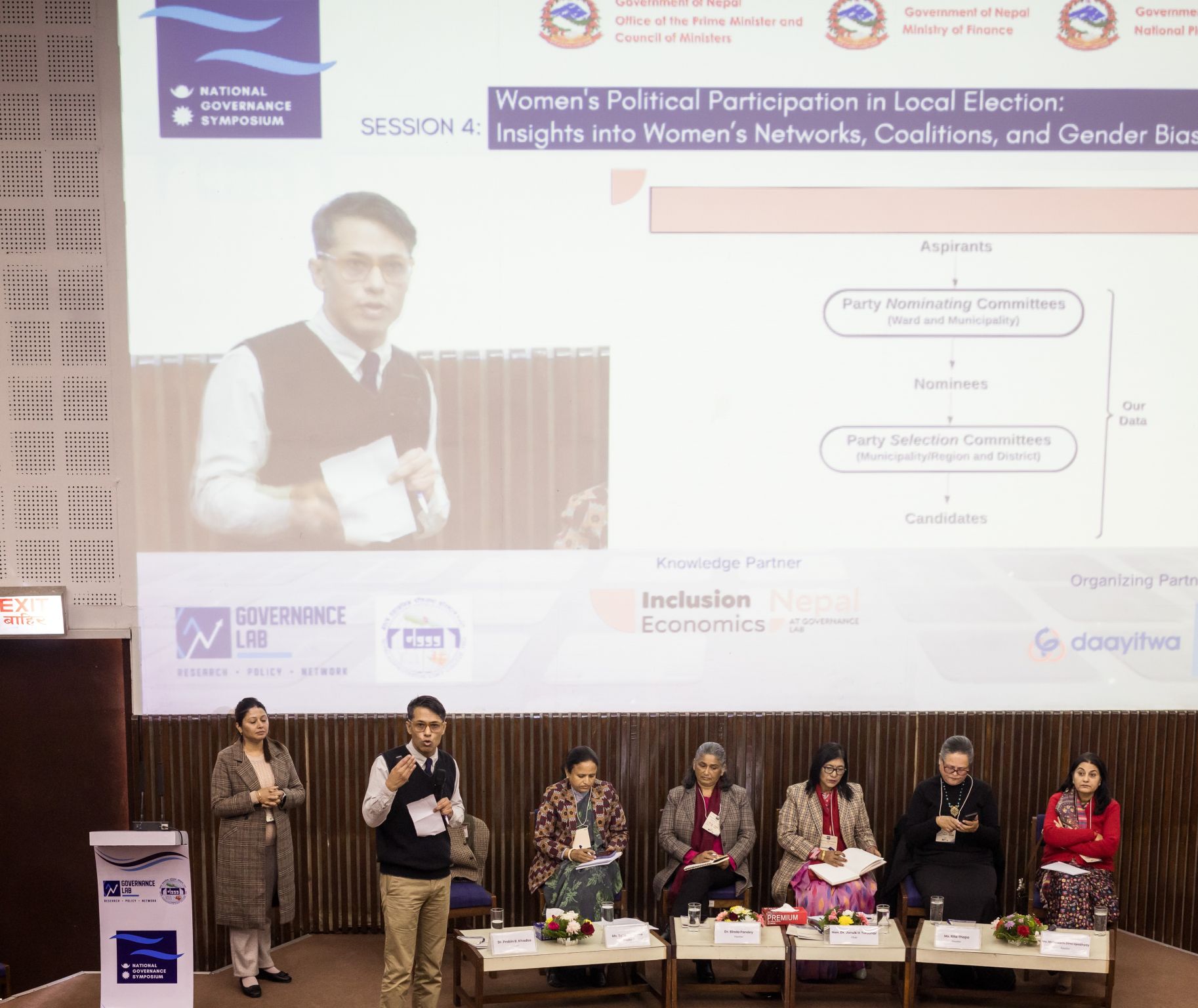
Women in Nepal have shown increasing political aspirations, aiming to become policymakers and leaders. Over the years, there has been gradual progress in women's political participation. Despite these improvements, the increase remains marginal, especially considering Nepal's federal system has introduced inclusive rights and policies to encourage women's participation at local levels. Several barriers hinder women's political participation. In 2023, out of 7,000 women aspiring for political roles, only about 700 were nominated at ward or local government levels, reflecting a significant gap between aspirations and opportunities. Within party structures, gender disparity is stark—only 5% of members in party selection committees were women, further limiting their influence in decisionmaking processes.
Cultural and societal norms also pose challenges, as many voters are not yet prepared to accept women in leadership roles. Unlike male politicians, women politicians are fragmented and isolated, especially at the local level. Male politicians have been able to capitalize their support networks and relationships not only in terms of getting election tickets but also getting promoted within the party hierarchy. On the other hand, due lack of capacity and experience in forming political relationships, women politicians have not been able to move beyond the quota protected seats.
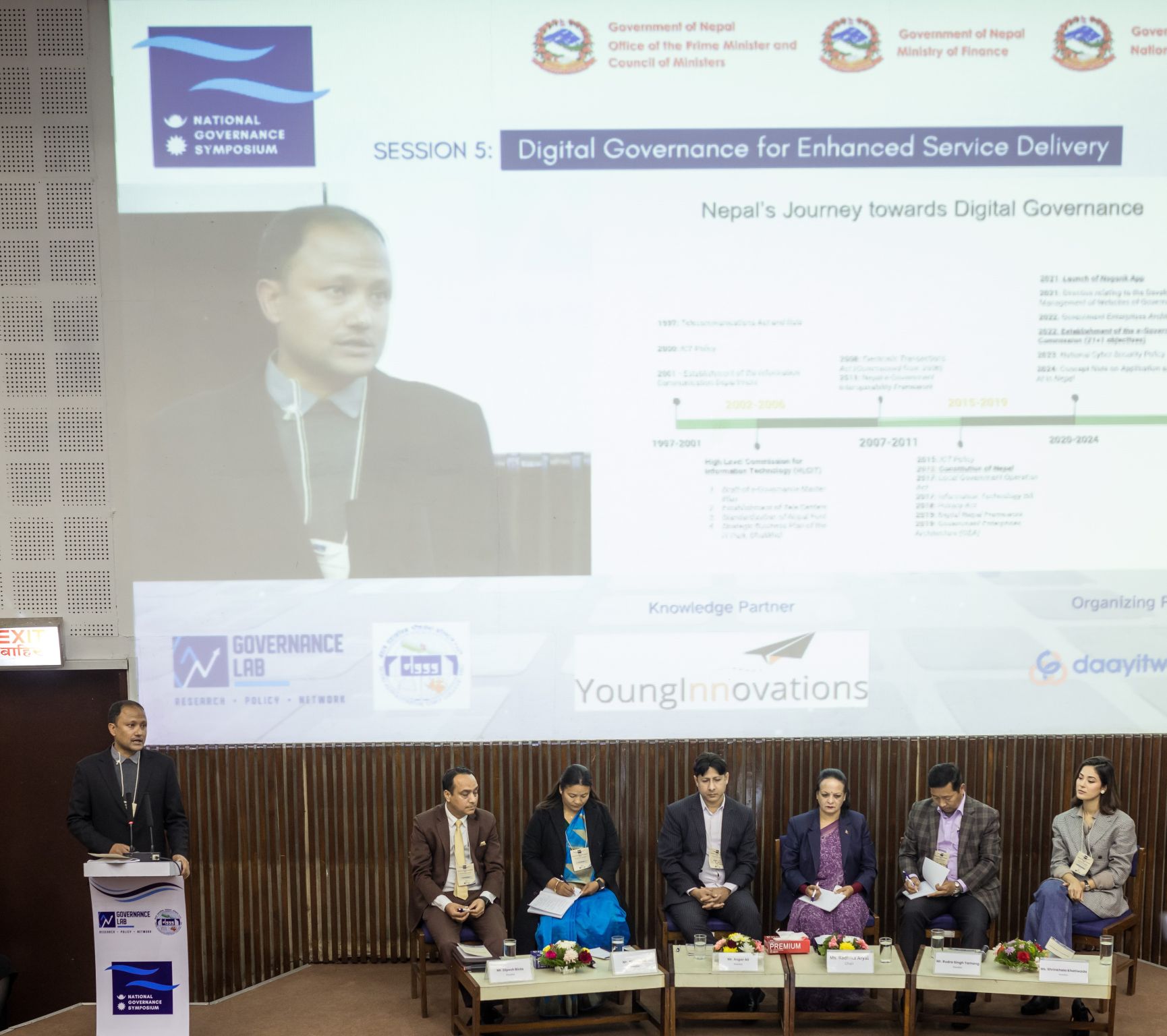
Nepal’s digital governance landscape faces critical challenges that hinder efficiency and citizen-centric service delivery. Data fragmentation and interoperability issues result in isolated records across government levels, forcing redundant data collection and weakening public service sustainability.
Essential documents such as birth certificates and voter IDs must be integrated into a unified system to eliminate inefficiencies and improve accessibility.
Beyond data structure, fragmented digital solutions and software sustainability remain major concerns. Independent applications for revenue management and registration often lack long-term viability due to inaccessible source codes, inconsistent security measures, and renewal-based dependencies. A centralized digital framework can mitigate these weaknesses, ensuring long-term interoperability and interagency coordination.
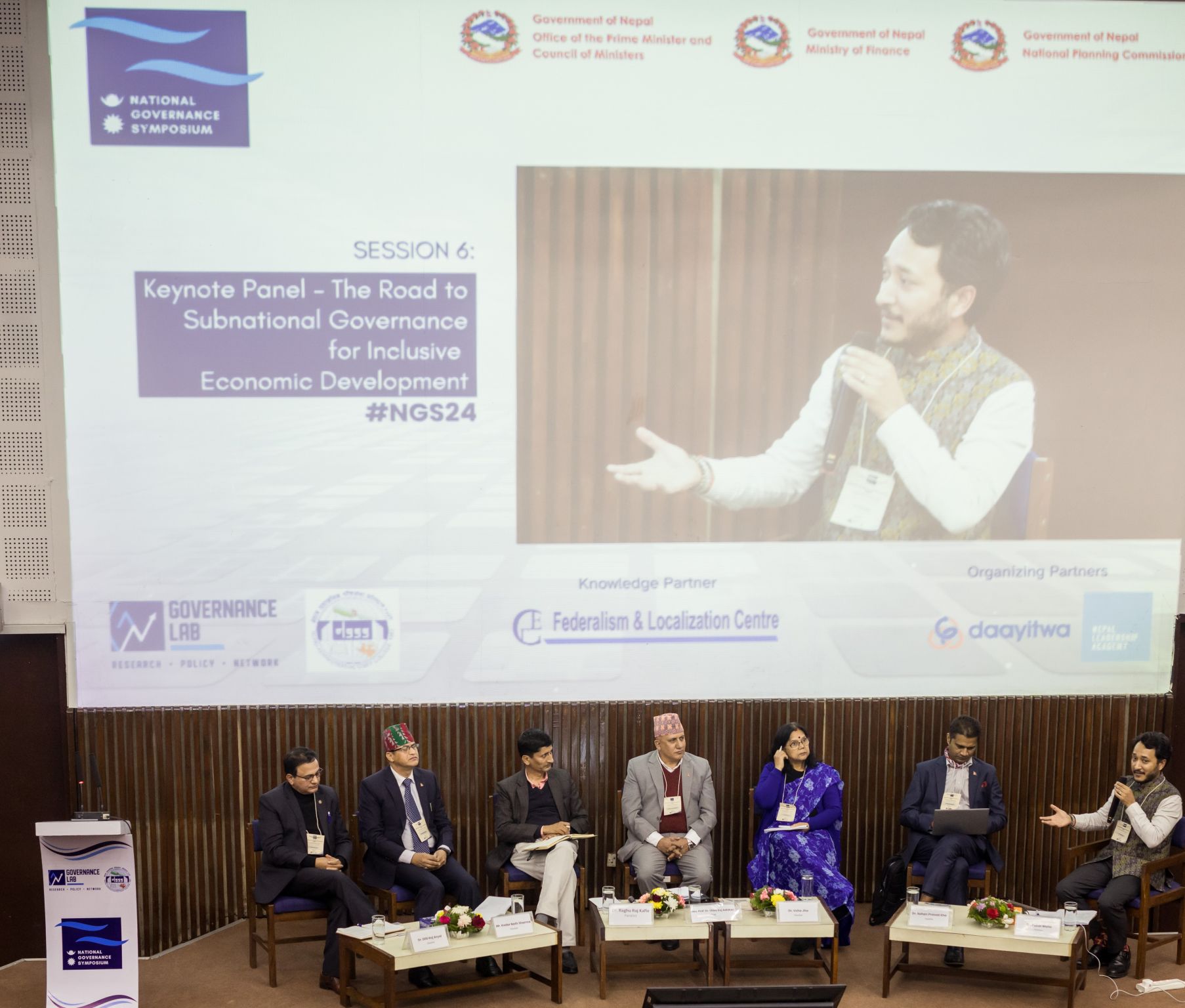
As Nepal's federal system matures, provincial and local governments are emerging as key players in delivering development outcomes, promoting economic equity, and ensuring inclusive subnational governance. However, this potential is constrained by weak intergovernmental coordination,
inconsistent fiscal transfers, fragmented program ownership, and limited capacity for data-driven planning. This policy brief highlights strategic interventions to strengthen provincial governance, empower local economies, and align development efforts across all tiers of government.
Key recommendations include institutionalizing Provincial Project Banks to ensure equitable resource allocation, operationalizing joint program ownership models through standardized MOUs, and formalizing a Dual-Track Women’s Economic Empowerment (WEE) strategy. Moreover, the brief
advocates for enhancing digital governance, strengthening Public-Private Partnership (PPP) frameworks, and investing in capacity-building initiatives such as Provincial Leadership Academies and Governance Fellowships. Establishing outcome-linked grant formulas and transparent performance
dashboards will further drive results-oriented governance and reduce duplication of efforts.
Nepal has adopted a federal system of governance since 2015, which aims to enhance people’s participation, democracy, and responsiveness in the government. Nepal's current system of governance is a federal republic with a parliamentary system of government.
The Constitution of Nepal 2015 shows a commitment towards inclusive and participatory principles as well as the aspiration for the establishment of an equitable society that includes all minority communities, including those with disabilities. Its core aspect calls for the ‘ending discriminations relating to class, caste, region, language, religion and gender”, while ensuring the rights of women and historically excluded groups.
The composition of Nepal's population, with women comprising 51% according to the 2021 Census, presents their significant role in the country's economic landscape. Women entrepreneurship plays a crucial role in Nepal's development by uplifting women’s status within society and contributing to economic growth.
Climate change is a global crisis with far-reaching impacts, disproportionately affecting vulnerable populations. In Nepal, susceptibility to climate change is compounded by disparities in climate governance, risking a 7% GDP reduction by 2050.
After the pandemic, migrant laborers from Nepal faced significant obstacles that hindered their ability to reintegrate. Their problems were made worse by financial restraints related to remittance-driven loan repayments, a mismatch between domestic industry demands and acquired skills, a lack of knowledge about available support services, and increased psychological distress, especially among vulnerable groups such as women and informal workers.